Hey you!
Be first one to get the new updates.
Thank you! Your submission has been received!
Oops! Something went wrong while submitting the form.


Be first one to get the new updates.
Understand the fundamental differences between expense management tools and ERP systems to make the right choice for your finance team. We compare functionality, implementation, and ROI across leading solutions including DataRails and Vena.
.jpg)
Finance leaders often struggle to differentiate between expense management tools and enterprise resource planning (ERP) systems. Both promise to streamline financial operations, but they serve fundamentally different purposes. After investing over 500+ hours in research on CFO tools, we've created this comprehensive comparison to help you make the right choice for your business.
Expense management tools focus specifically on tracking, processing, and analyzing business expenses. They're designed to simplify the expense reporting process from submission to reimbursement.
Expense management solutions like DataRails offer specialized functionality that general ERP systems often lack. They provide intuitive interfaces that make expense reporting less burdensome for employees while giving finance teams powerful controls and visibility.
Enterprise Resource Planning (ERP) systems are comprehensive business management platforms that integrate various functions across an organization. They aim to create a single source of truth for business data.
While ERPs like Vena include expense management capabilities, these features are often just one small part of a much larger system. The expense functionality in ERPs typically lacks the depth and user-friendliness of dedicated expense management tools.
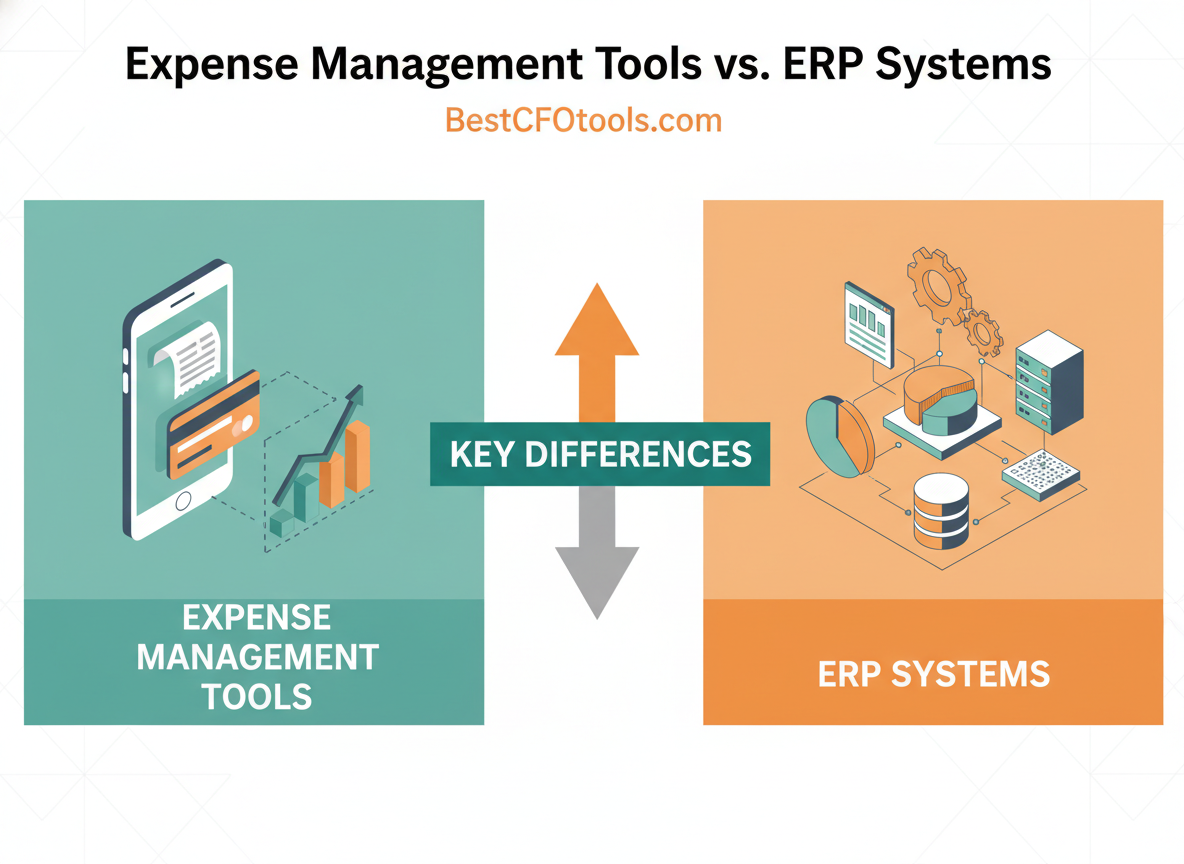
Expense management tools have a laser focus on expense-related processes, while ERPs cast a much wider net across business operations. This difference in scope significantly impacts implementation, cost, and user experience.
DataRails and similar expense management tools can typically be implemented in weeks, with minimal disruption to existing workflows. ERP implementations like Vena often take months or even years and require substantial organizational change management.
Specialized expense tools prioritize intuitive interfaces and mobile accessibility. DataRails, for instance, offers a streamlined experience designed specifically for expense management. ERP systems tend to have steeper learning curves due to their complexity and breadth of functionality.
Modern expense management solutions are built with integration in mind. DataRails offers robust API connections to existing financial systems. ERPs like Vena are designed to be all-in-one solutions, which can sometimes make integration with specialized third-party tools more challenging.
Expense management tools generally have more predictable, subscription-based pricing models with lower upfront costs. ERP systems typically require substantial initial investment plus ongoing maintenance and support fees.
DataRails has emerged as a leading solution in the expense management space, offering a powerful yet user-friendly platform that integrates seamlessly with existing financial systems.
Vena offers a comprehensive ERP solution with financial planning and expense management components. While powerful, it represents a different approach to expense management.
The decision between expense management tools and ERP systems should be based on your organization's specific needs, resources, and goals. For most companies seeking to optimize their expense management processes specifically, dedicated solutions like DataRails offer the best combination of functionality, implementation speed, and ROI.
Ready to transform your expense management process? Book a demo with one of our financial software experts to see how the right solution can streamline your operations and provide better visibility into your company's expenses.
At BestCFOTools, we specialize in helping finance teams find the right software solutions for their specific needs. Our team has conducted extensive research on expense management tools and ERP systems, including hands-on testing and interviews with actual users.
This comparison is based on:
We strive to provide objective, balanced comparisons to help you make informed decisions about your financial software stack. While we highlight DataRails as a strong solution for expense management, we encourage you to evaluate all options based on your specific requirements.


